
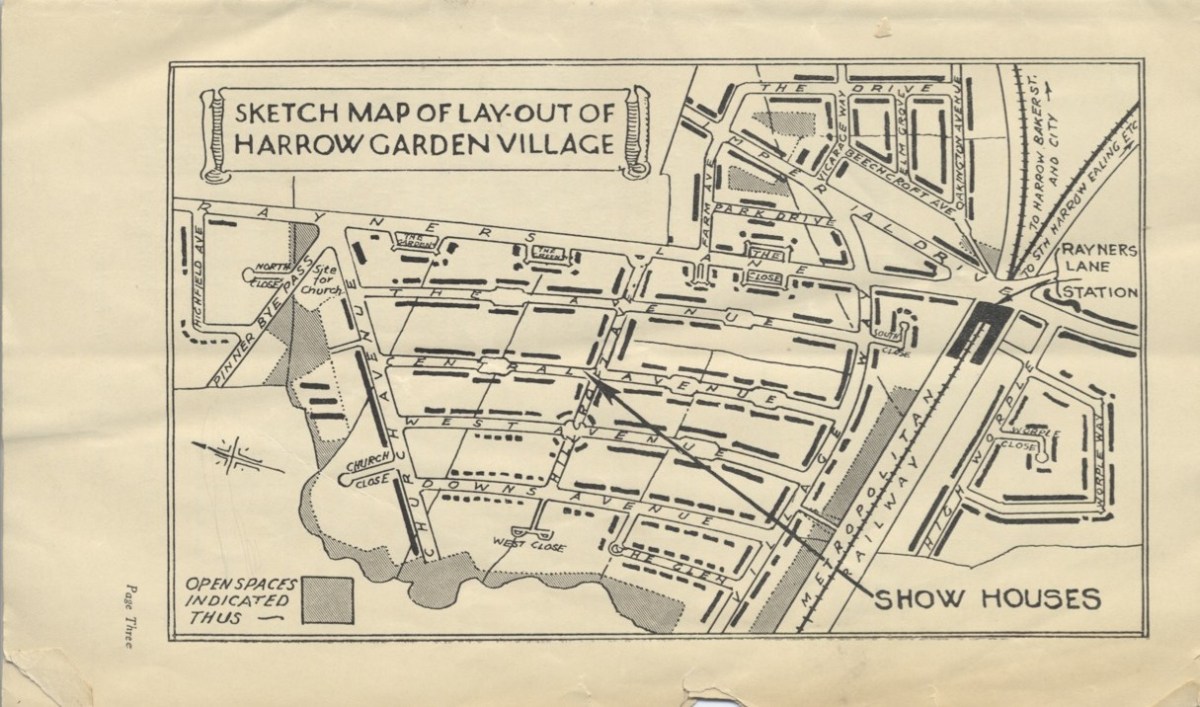
Metroland
Harrow Garden Village was part of Metroland, an initiative by the Metropolitan Railway to build houses on land they had purchased alongside their railway lines.
Planning and Early Development
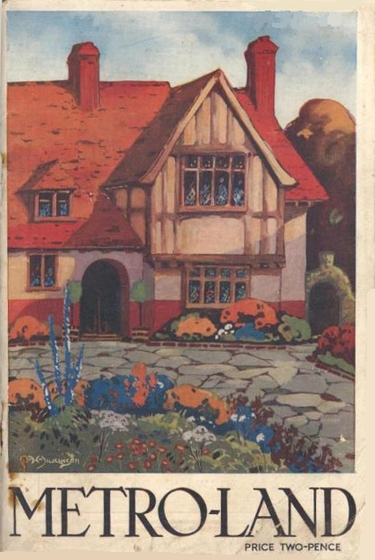
The development of Harrow Garden Village, which was one of Metroland’s flagship projects, officially began in the 1920s. The renowned builders Messrs. E.S. and A. Smith, along with architect C. H. B. Quennell, played key roles in shaping the area’s character. The ethos was clear: houses should be well-built, aesthetically pleasing, and affordable for the aspiring middle class. Roads such as Pinner View, Headstone Gardens, and Marlborough Hill soon began to fill with rows of semi-detached houses, each with its own patch of garden, tiled roofs, and generous windows to invite in the light.
Careful attention was paid not just to the houses themselves, but to the layout of streets and green spaces. The planners wanted to encourage a sense of community, so roads were curved rather than rigidly grid-like, giving each street its own identity. Small greens and communal spaces were established, where children could play and neighbours could meet.
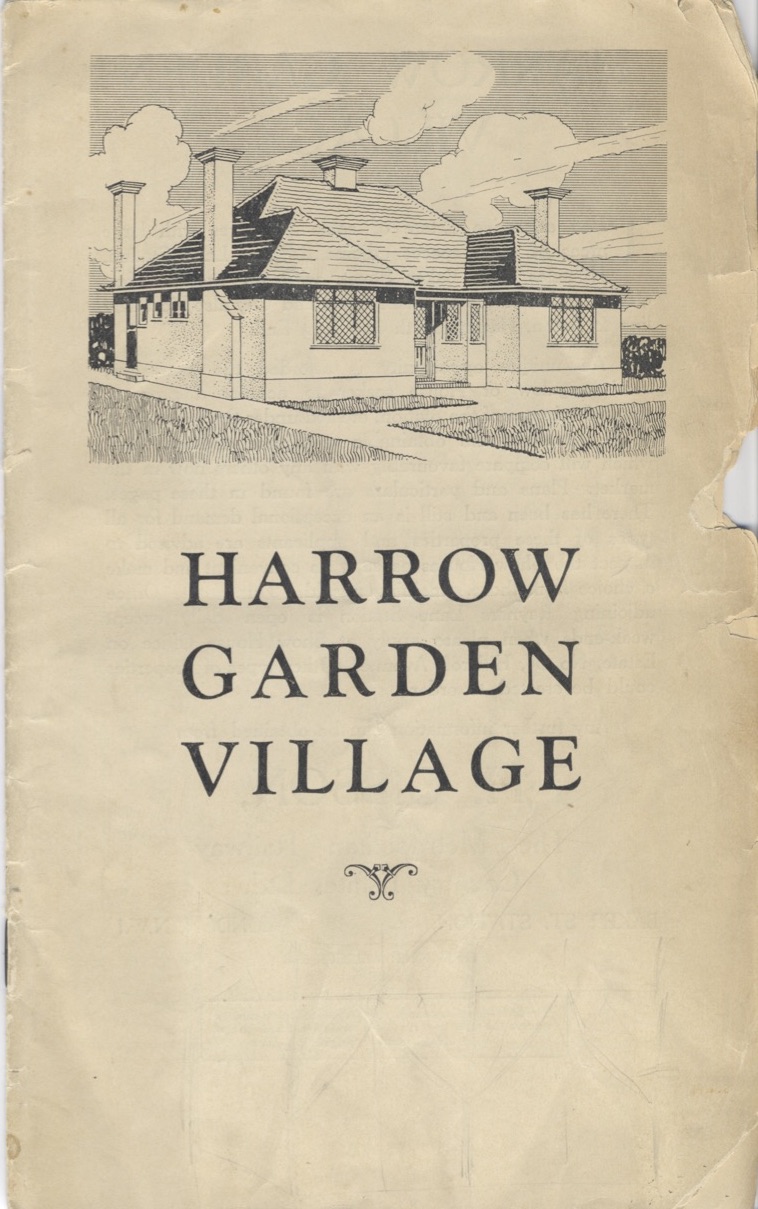
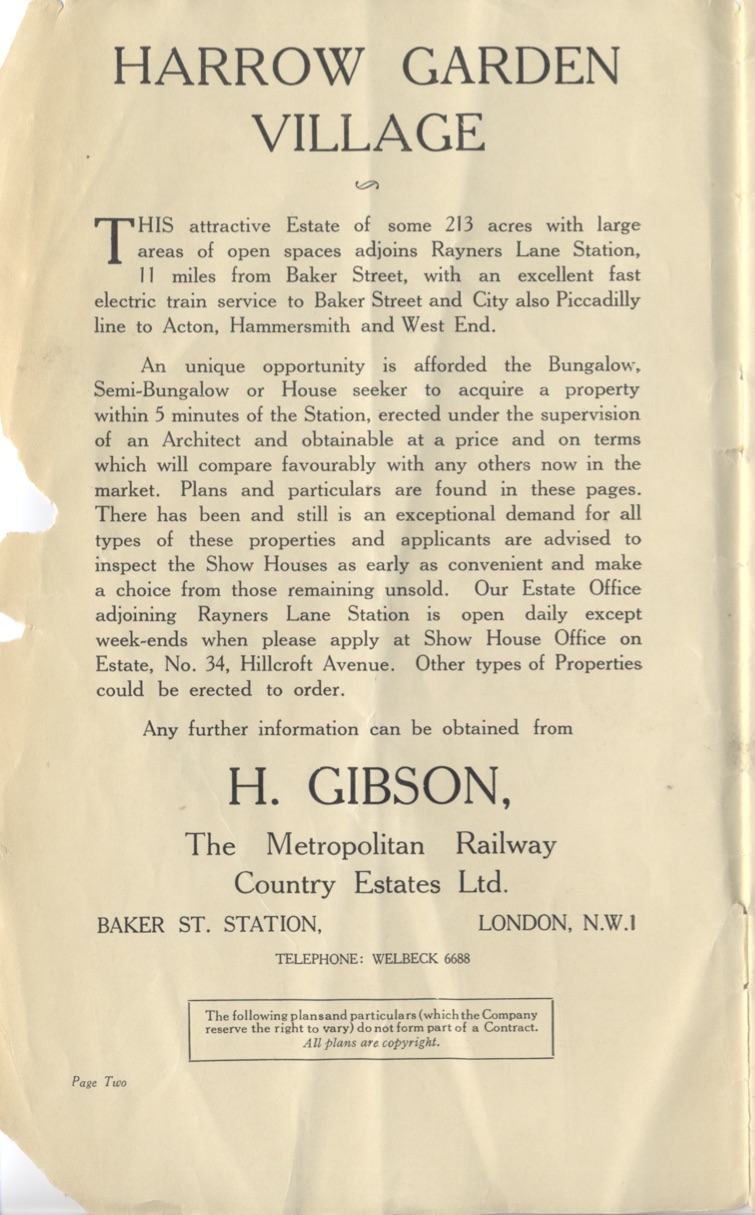
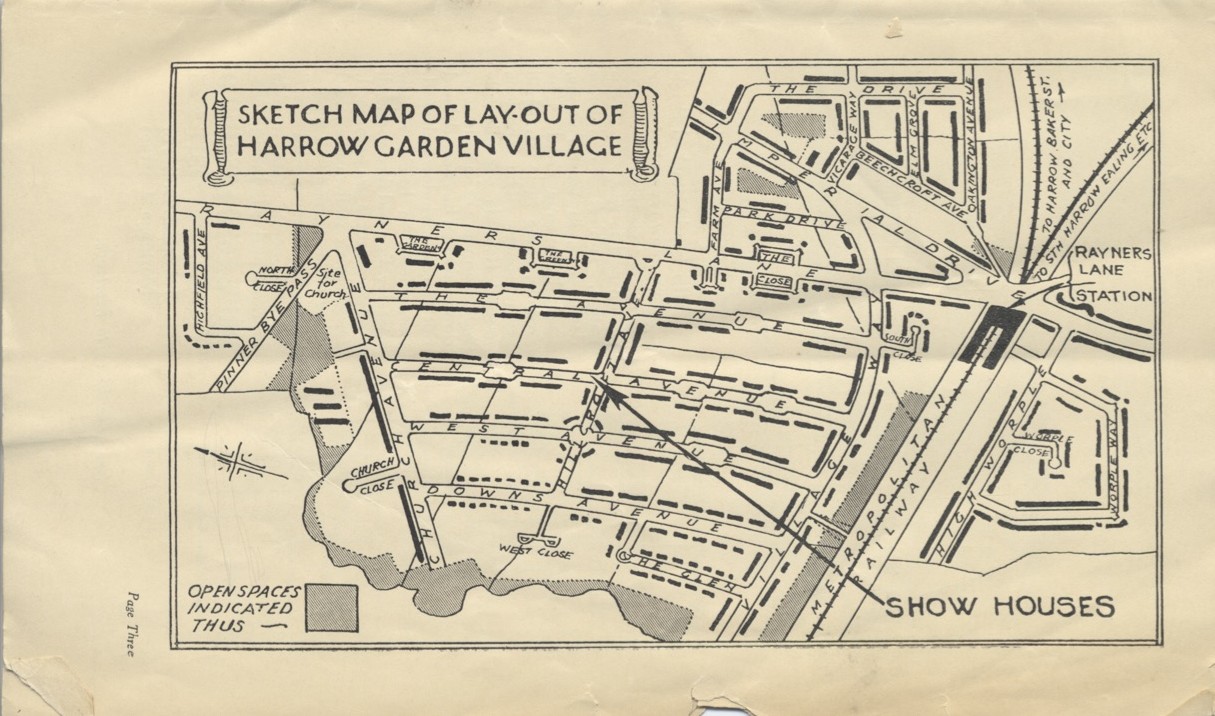
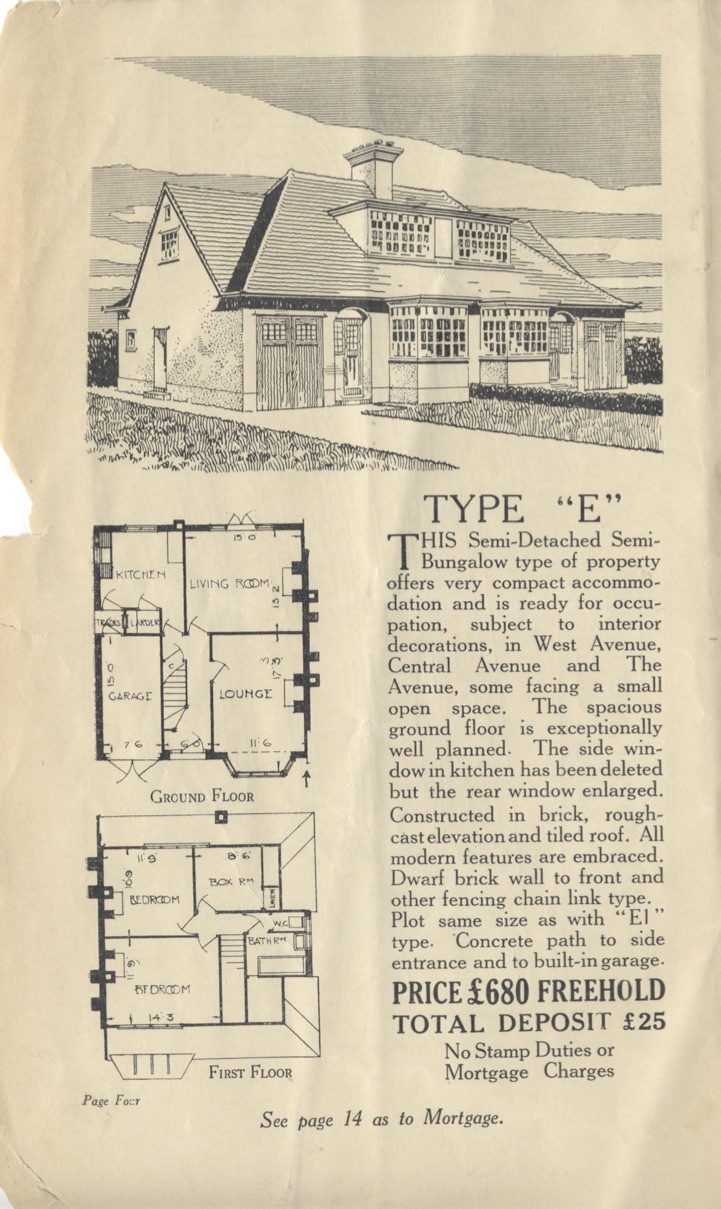
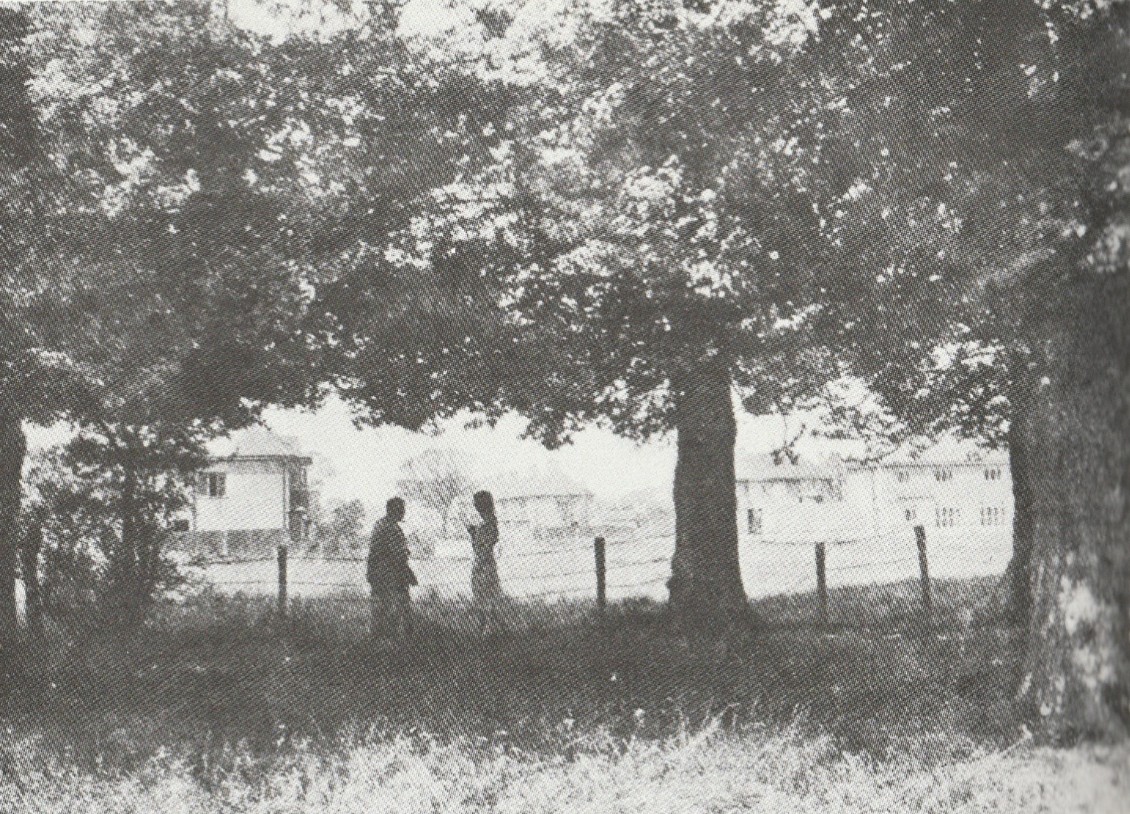
Harrow Garden Village was a product of a sophisticated marketing machine that understood the aspirations of the interwar middle class. By weaving together the threads of rural nostalgia, architectural prestige, and technological convenience, the developers created a lifestyle brand.
Request to Change the Station Name
At one point the builders’ requested to change the name of Rayners Lane station to Harrow Garden Village. This request was made to the council to better reflect the new identity and appeal of the area. The builders believed that renaming the station would attract more potential residents by highlighting the garden suburb concept and its association with the desirable qualities of Harrow. Which obviously did not succeed.
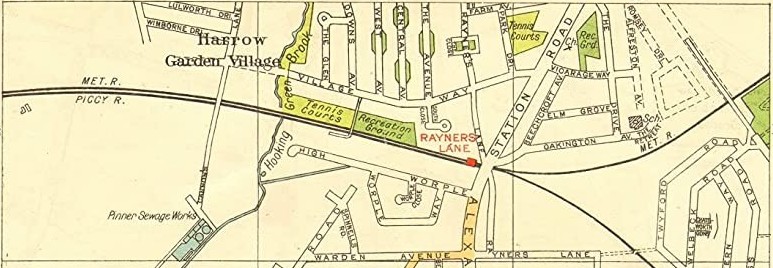
Harrow Garden Village itself no longer exists as an area but the road that led to it, Village Way, remains.

 Rayners Lane