
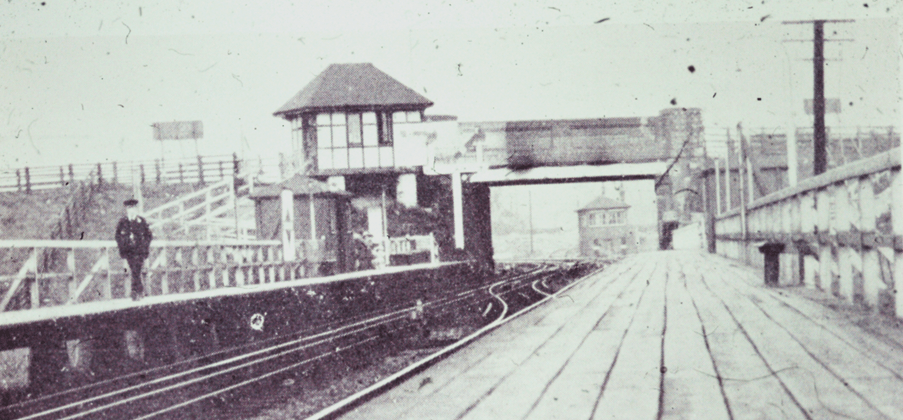
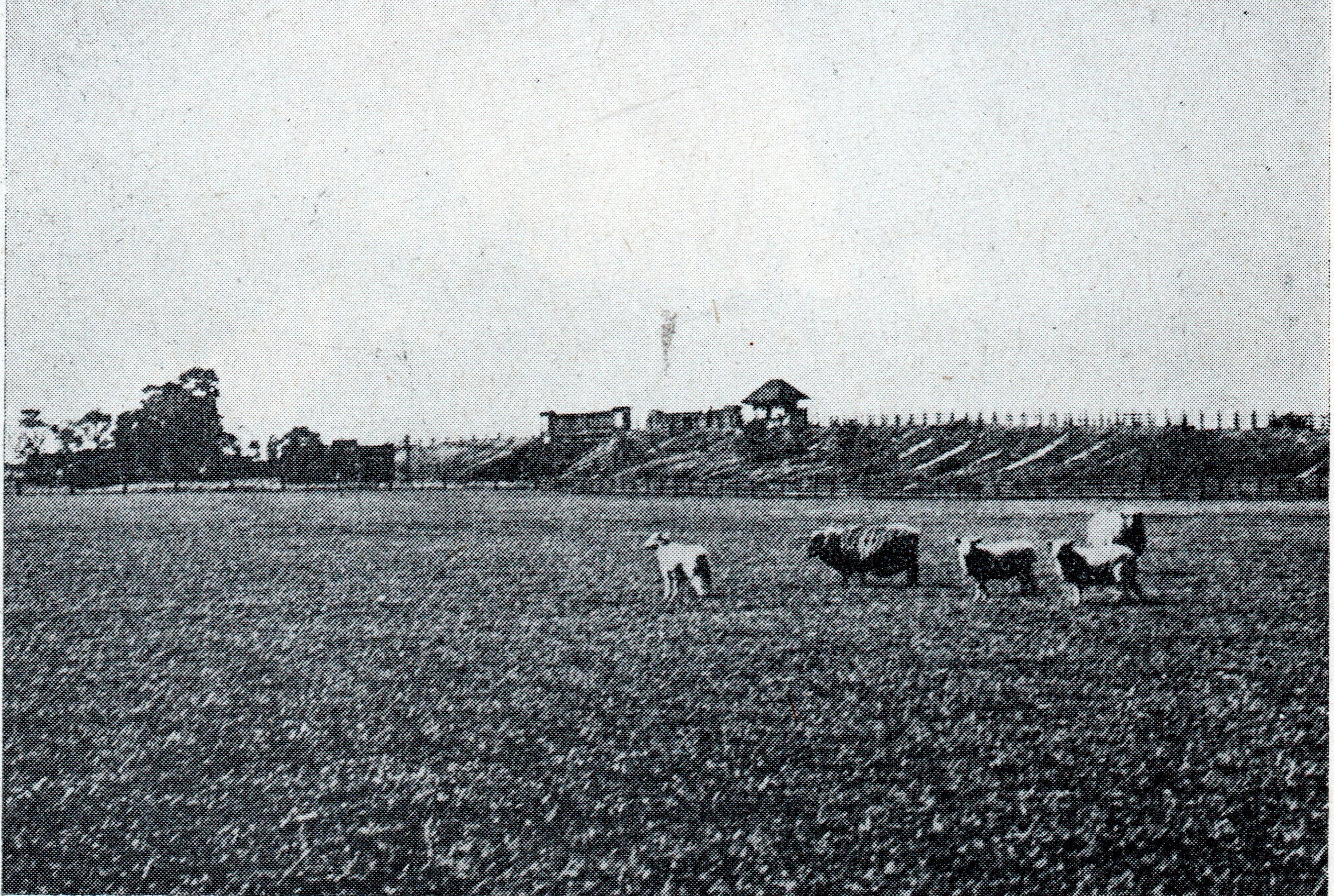
At the turn of the century, when the railways first came, the Rayners Lane area was still very rural.
Building The Railway
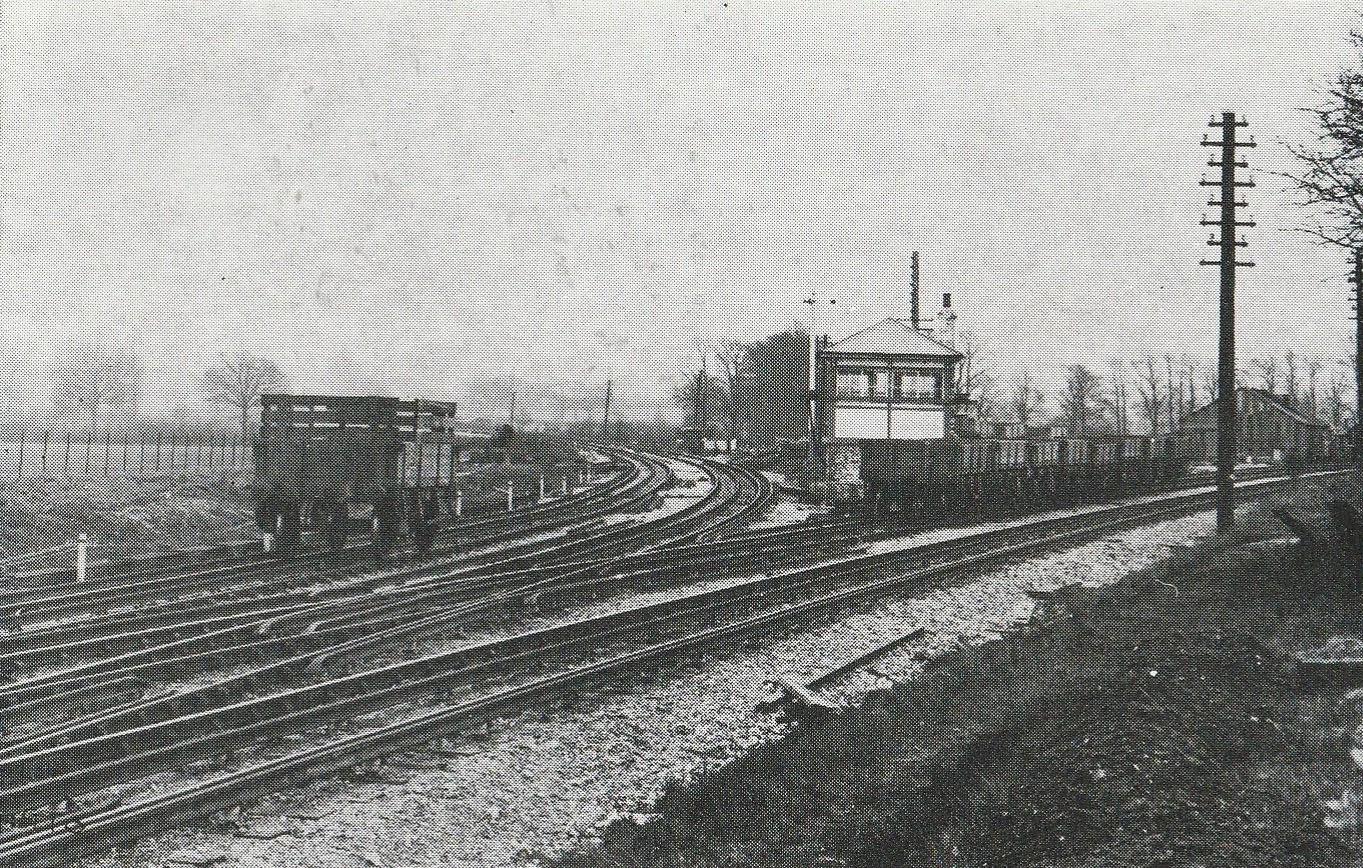
The first significant movement toward the northwest fringes of London occurred in the 1880s under the chairmanship of Sir Edward Watkin. His focus was the “Extension Line.” After reaching Harrow-on-the-Hill in 1880, the tracks were pushed forward into the undulating fields of Pinner, reaching the village on May 25, 1885. The Metropolitan Railway opened a branch to Uxbridge in 1904.
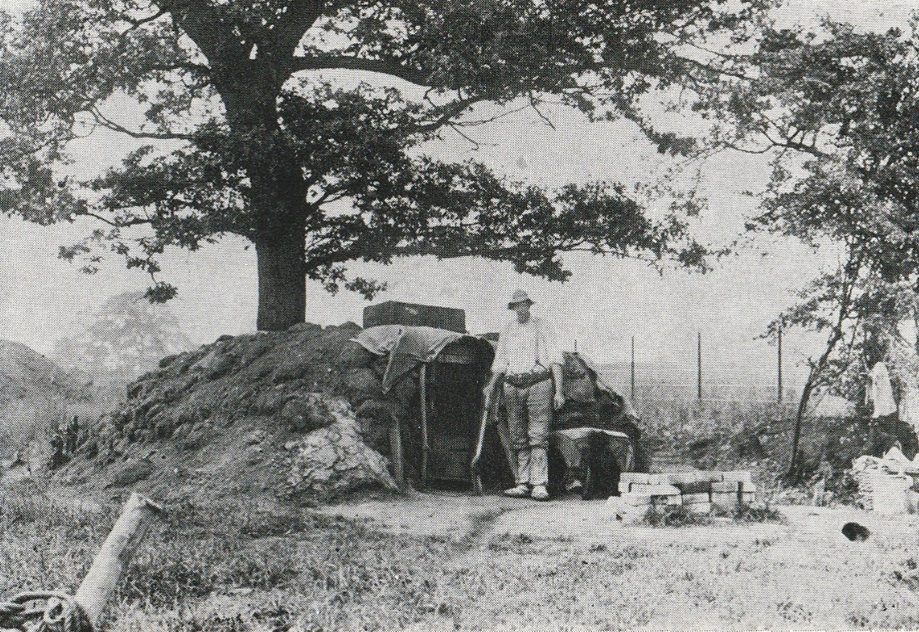
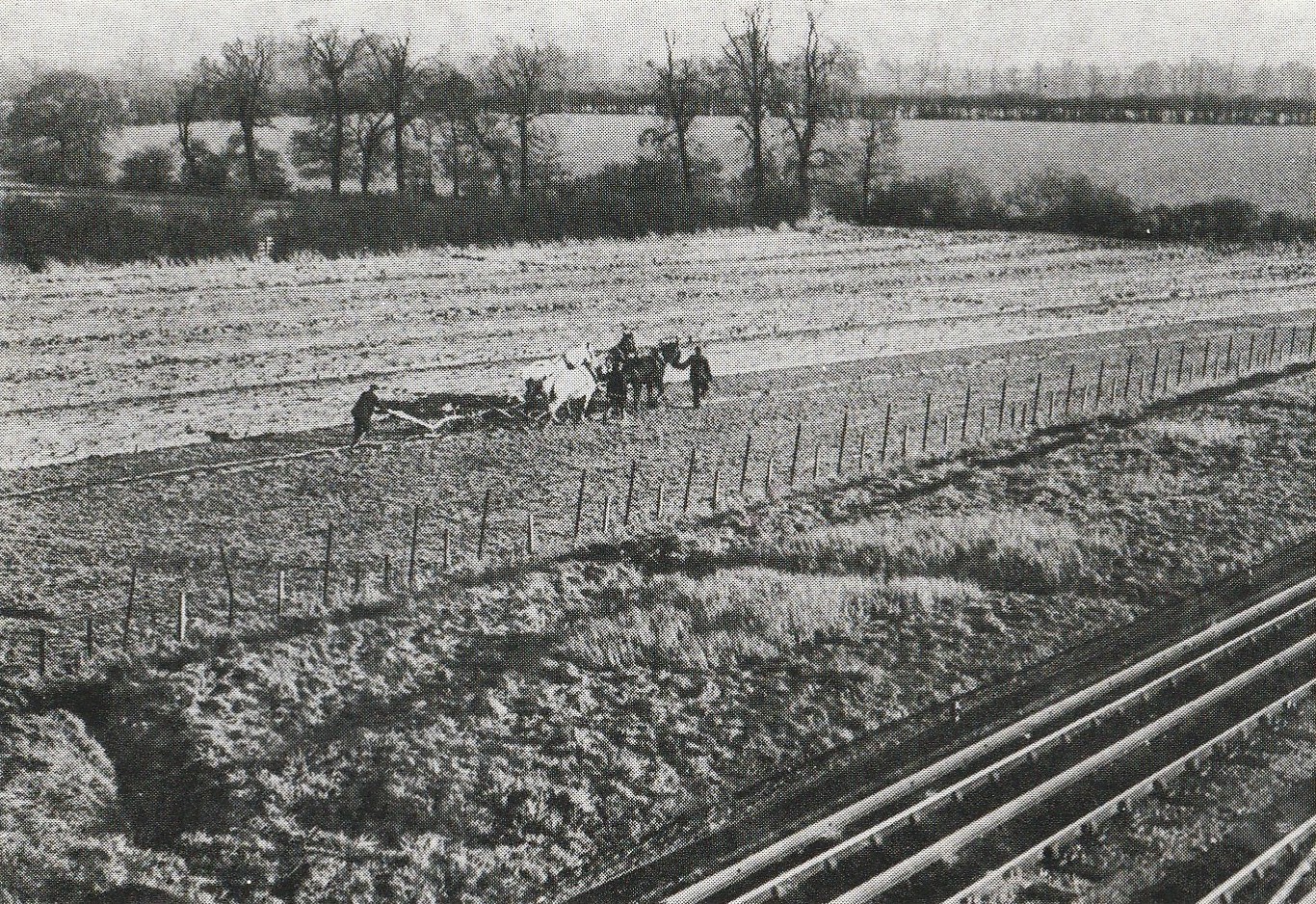
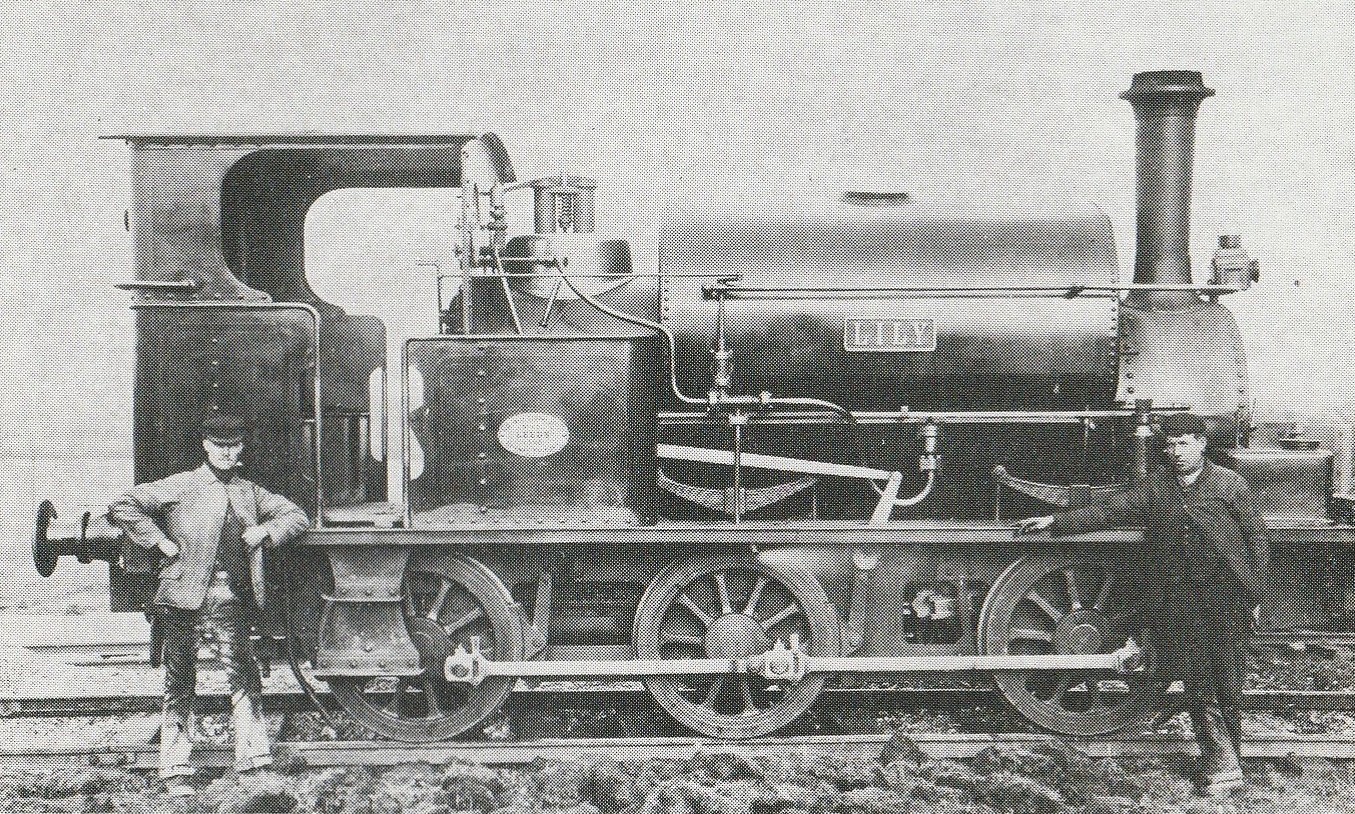
Rayners Lane itself had to be raised on an embankment to cross the railway and a small ticket office was built on the bridge.
Rayners Lane station opened as Rayners Lane Halt on 26th May 1906. It was however no more than a hut with a few planks for a platform in a rural area and was seemingly pointless.
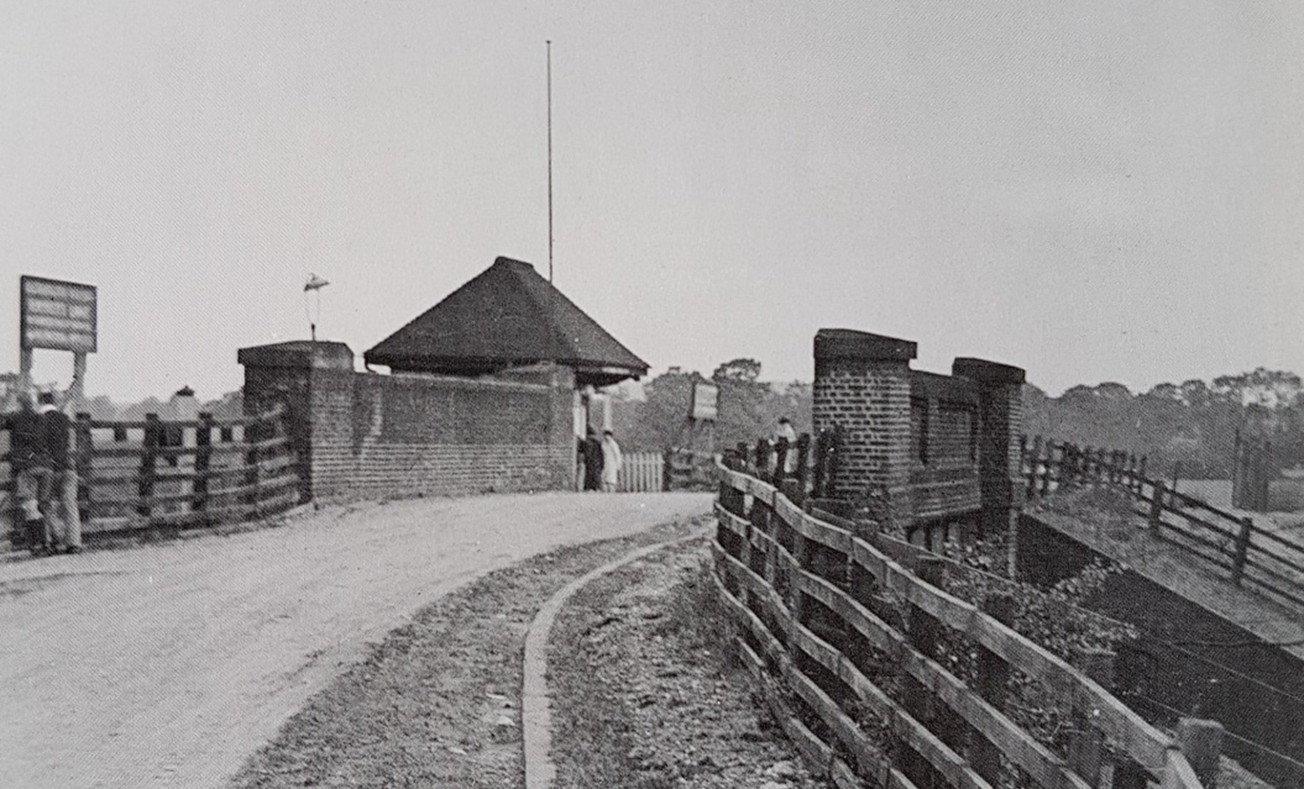
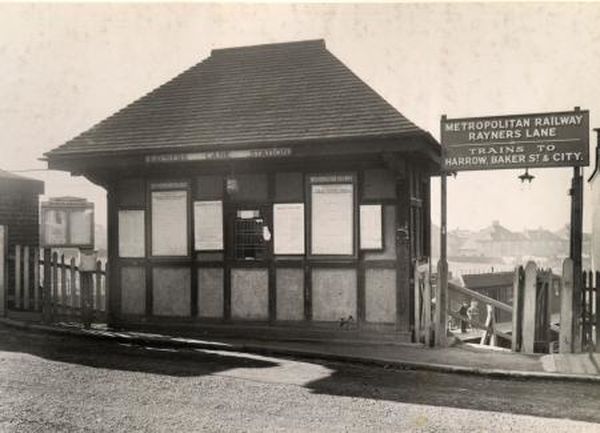
Edwin Ware writes: “In 1924 I often used this halt on Sundays . . . . There was rarely anyone else there, either passengers or staff. When a train was due, you held out your hand in good time to stop it and when returning asked the guard to stop at the halt”. For nearly twenty years, it remained one of the least-used stops on the entire London network, often seeing only a handful of passengers a day.
It was once described as “the loneliest station on the Metropolitan Railway, apparently unfriended, unvisited and untrod” as well as being known as ‘Pneumonia Junction’ due to the winds coming in from the Chilterns.
In 1910, the District Line services started calling at the station, via a junction connecting the station with South Harrow and allowing services on that line to operate up to Uxbridge. But at that time the area was still not being developed for housing. This route was transferred over to the Piccadilly Line in 1933.
By 1929, the station was officially renamed ‘Rayners Lane’.
The Uxbridge branch of the Metropolitan Line had been overwhelmed by the housing developments of the early 1930s, and most of the old stations were in urgent need of improvement.
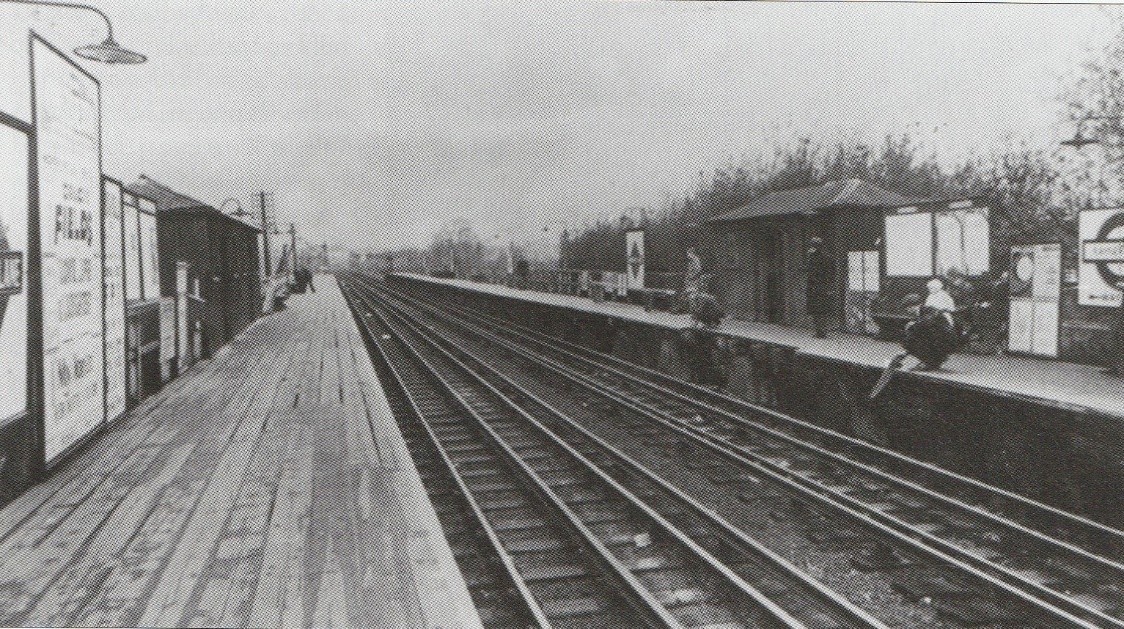
The phenomenal increase in the use of Rayners Lane station had outstripped the capacity of the Metropolitan’s timber booking hut and corrugated-iron shelters on wooden platforms. A larger, temporary wooden ticket hall was in service from 14th March 1935, and work began on a new station.

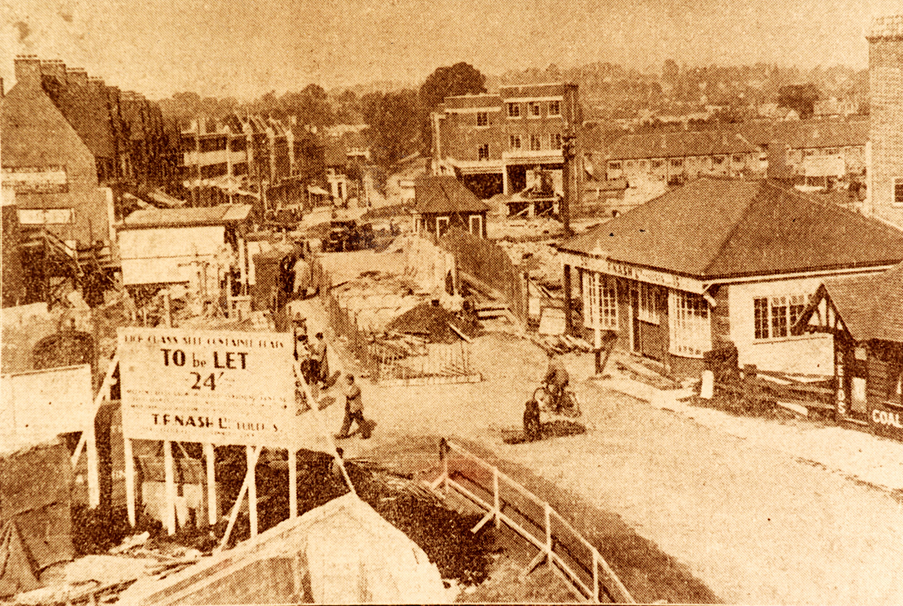
Rayners Lane Underground station was designed by New Zealand architect Reginald Uren, and opened in 1938, 5 years after the Piccadilly line was extended there. Uren drew heavily on designs by Charles Holden at Sudbury Town and Sudbury Hill.
Uren’s original design was altered by Charles Holden bringing it further into the street, which allowed easier access to and from the station.
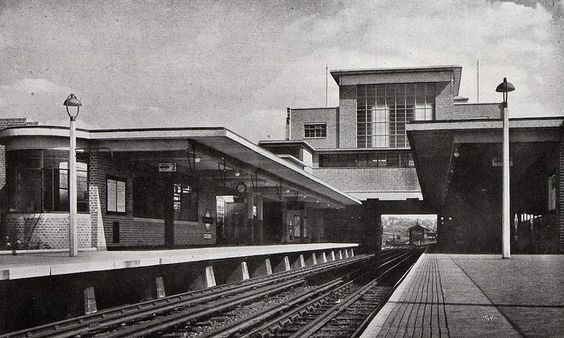
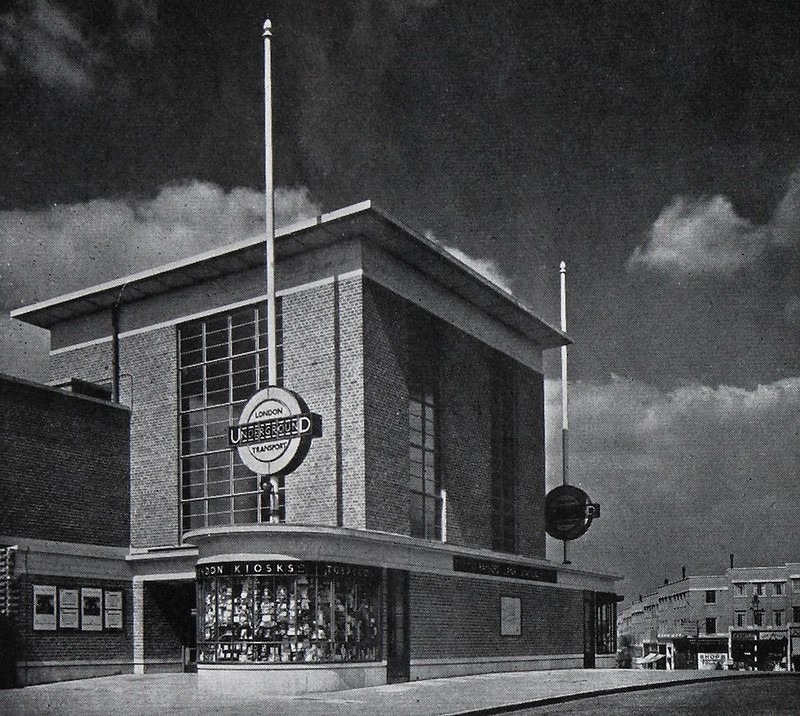
Rayners Lane Station is surprisingly unaltered and maintains original doors and exterior and interior signage. The building was awarded Grade II-listed status on 17 May 1994.

 Rayners Lane